Case Study
The CMMS Nobody Uses Is Just an Expensive Spreadsheet
Why mobile experience — not feature lists — determines whether a CMMS rollout actually succeeds with field technicians.
March 1, 2026 · 3 min read
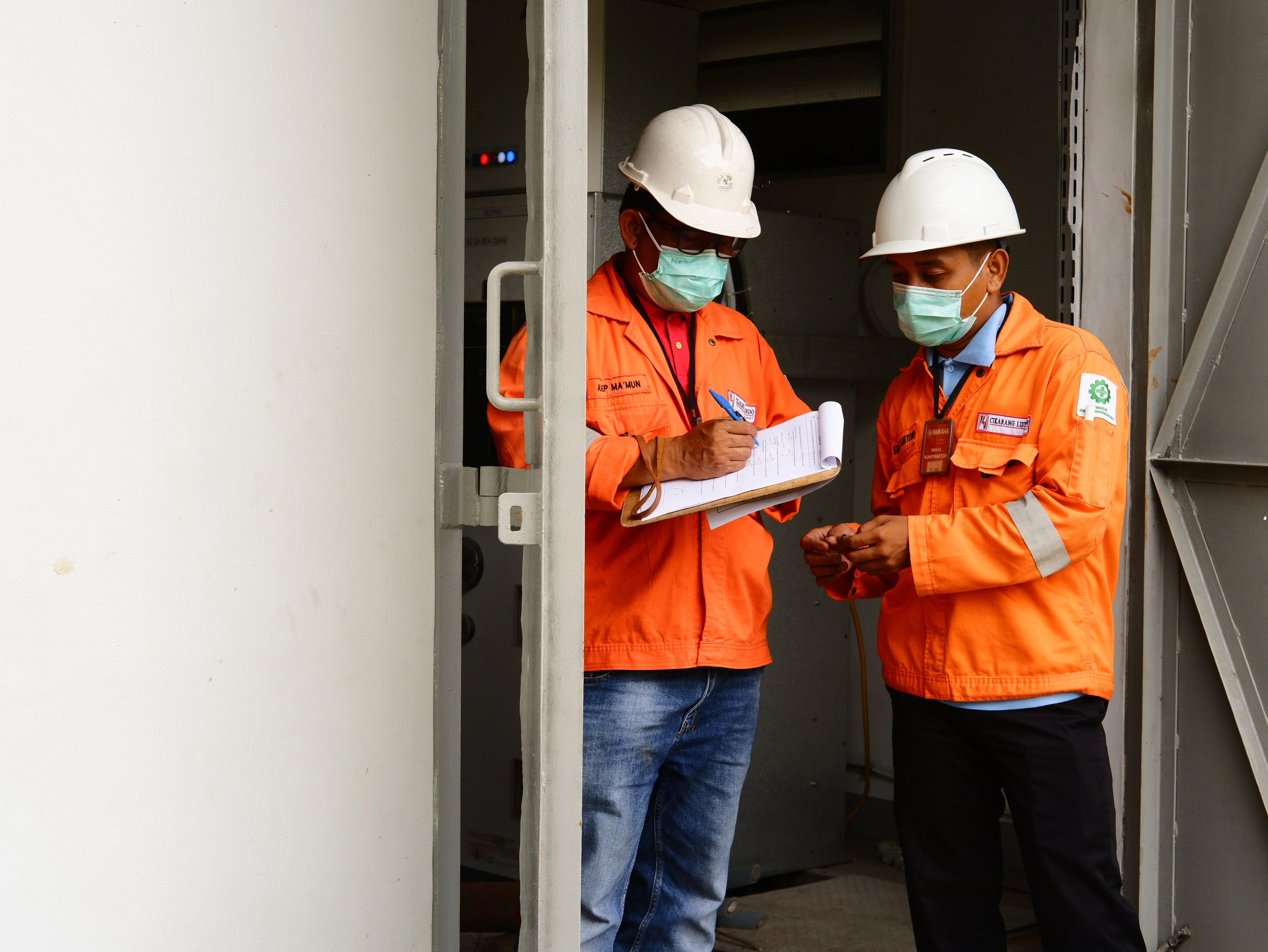
Facility management software gets purchased by managers and directors. It gets used — or ignored — by technicians. That gap explains why so many CMMS rollouts quietly fail within the first year: the platform looked great in the sales demo, but the people doing the actual work found it easier to keep scribbling notes on a clipboard.
Adoption is the only metric that matters
A facility director can point to an impressive feature list, but none of it delivers value if the completion rate on digital work orders stays low because technicians route around the system. The real test of any CMMS isn't what it can do — it's whether the person standing at a rooftop AHU at 7am, with gloves on and limited signal, will actually use it without being told to.
This is why mobile experience has quietly become one of the top selection criteria for facility teams evaluating CMMS platforms — not a "nice to have" bolted onto a desktop-first product, but the primary interface the system is designed around.
What technicians actually need from a mobile CMMS
It's a short list, but most platforms get at least one item wrong:
- Works offline. Basements, plant rooms, and remote sites often have poor connectivity. A CMMS that requires a live connection to log a work order guarantees technicians will fall back to paper.
- Fast enough to use one-handed. If closing a work order takes ten taps and three screens, technicians will delay the update until "later" — and later often means never.
- Photo and checklist capture built in. Documentation should happen at the point of work, not reconstructed from memory at the end of a shift.
- QR or barcode asset scanning. Searching a dropdown list for the right pump among two hundred assets is friction that adds up across dozens of work orders a day.
What low adoption actually costs
When technicians avoid the system, the damage isn't just "some paperwork is late." It cascades:
- Work order documentation becomes incomplete, which breaks the asset history the whole predictive maintenance case depends on.
- Preventive maintenance compliance drops, because completed work isn't logged even when it was actually done.
- Management ends up making decisions from a dataset that doesn't reflect reality — a dashboard full of gaps disguised as good news.
The fix isn't more training — it's better fit
Facility teams sometimes respond to low adoption with more mandates and more training sessions. That treats the symptom. If a system genuinely fits how technicians already work, adoption doesn't need to be enforced — it happens because the digital workflow is faster than the paper one it's replacing.
Before selecting or renewing any CMMS, it's worth asking a blunt question: hand a technician a phone, mid-shift, low signal, gloves on, and see how long it takes them to log a completed work order. If the answer is "longer than writing it on a clipboard," the platform has already lost the adoption battle — no matter what the feature sheet says.